
Fly-Away Antenna
A transportable antenna that is packed, carried to site and set up for satellite communication.


Feed and arm
Holds the feed at the reflector’s focus.
Reflector segments
Composite segments that pack into cases.
Hub
Joins the segments into one reflector.
Tripod mount
Sets up on site and points the antenna.
Fly-away antenna.
Packed into transport cases, moved to the point of use and assembled on site to establish a satellite link.
Illustrative model, not to scale.
Taken apart. Scroll on to lift the hub off the tripod, then the reflector segments and the feed.
Wherever the link is needed. For disaster areas, field and expeditionary communication, and temporary satellite links.
- Feed and arm: Holds the feed at the reflector’s focus.
- Reflector segments: Composite segments that pack into cases.
- Hub: Joins the segments into one reflector.
- Tripod mount: Sets up on site and points the antenna.
What it is
Fly-away antennas are packed into transport cases, moved to the point of use and assembled on site to establish a satellite link.
Composite reflector segments and structures keep the transport mass low.
Where it is used
- Disaster-area communication
- Field and expeditionary communication
- Temporary satellite links
Goes with
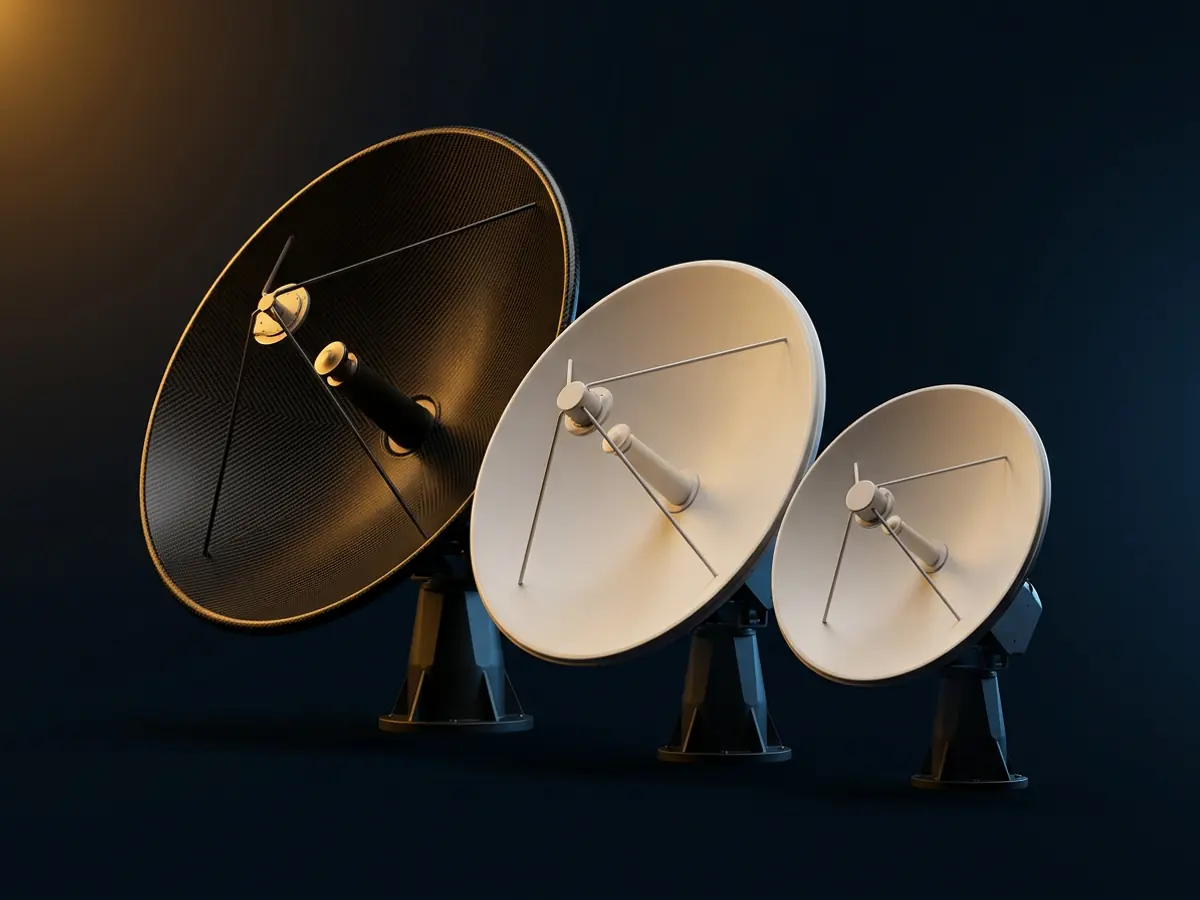
C, Ku and Ka Band Antennas
Antennas for satellite communication in C, Ku and Ka bands.
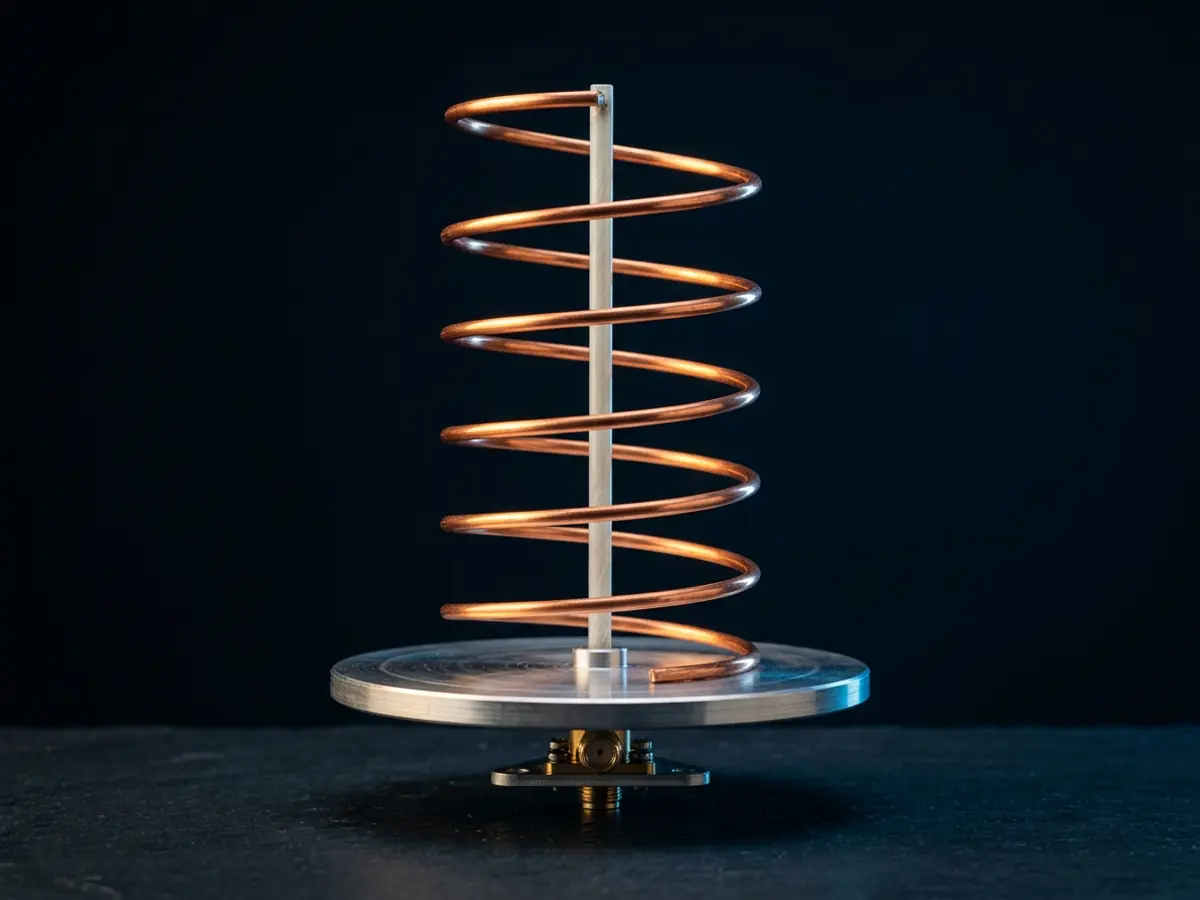
Helical Antenna
Helical antennas for circularly polarised links.

Composite Radomes and Radome Materials
Radomes, radome films and materials that shield radar and antennas while letting radio waves through with minimal attenuation.


Request a quote.
Send the drawing or the requirement for Fly-Away Antenna, and an engineer will reply to scope the work.